"A new normal for Nigerian Architecture: Laterite bricks"
What we have been standing on might be what we should be building with. In Nigeria, laterite is everywhere. It forms the base of our roads. It stains our shoes during the rainy season. It sits quietly beneath our feet, unnoticed. And yet, it may be one of the most powerful building materials we have.
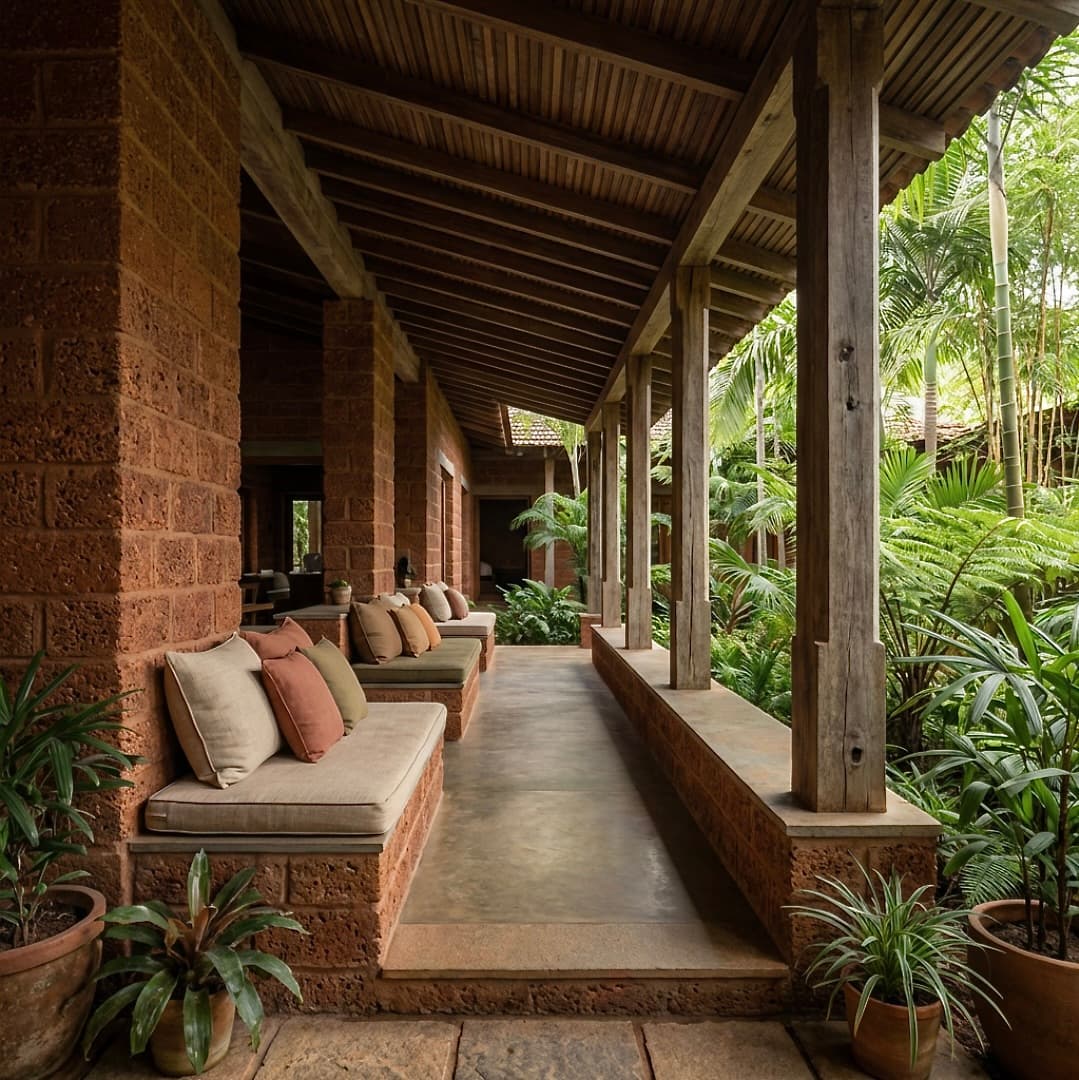
A New Normal
"The question is no longer whether laterite can work. It already has. For centuries. The question is: Why are we not using it? A new normal for Nigerian architecture will not come from importing more systems. It will come from reconsidering what we already have. "
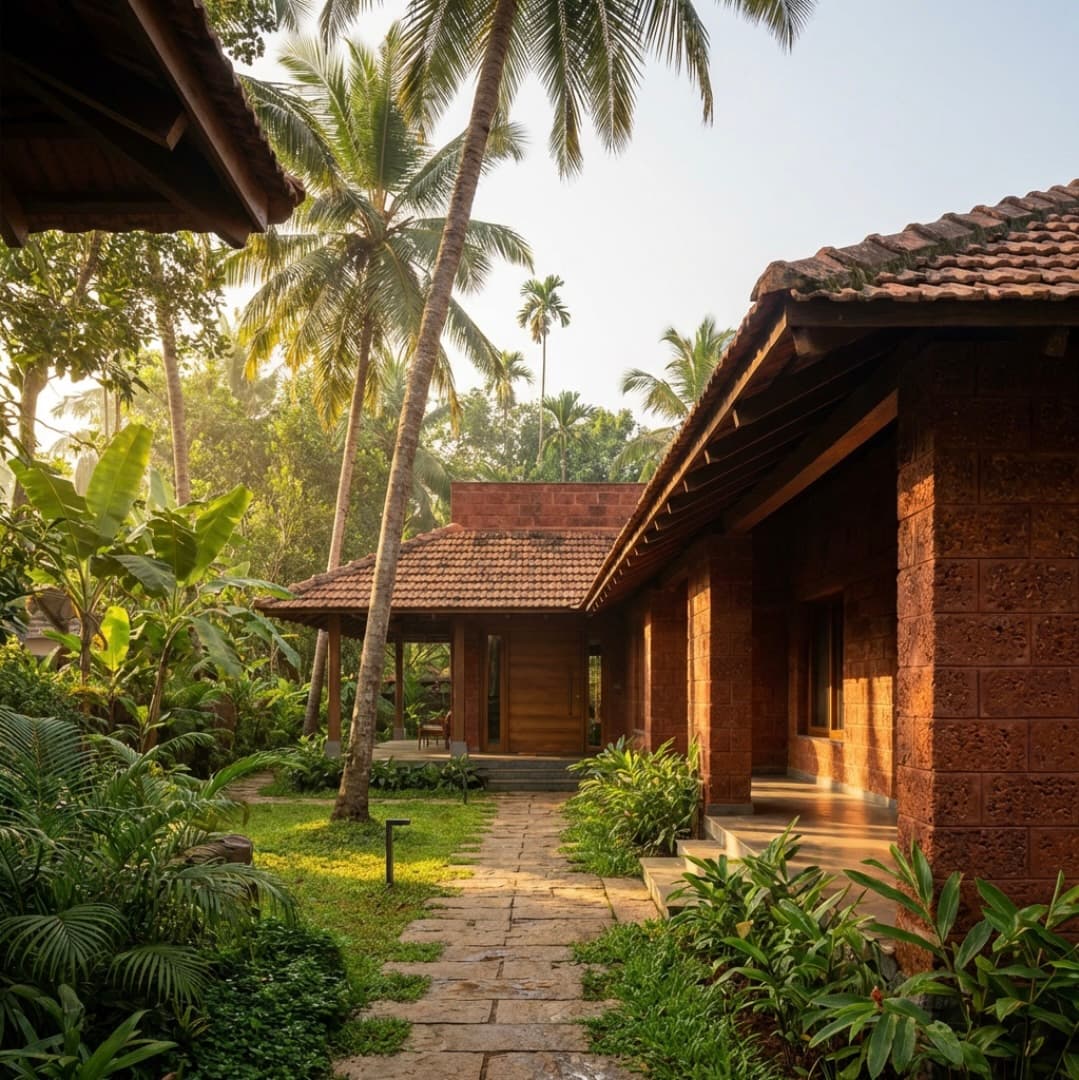
What Others Have Already Understood
In Kerala, India, laterite has been used to build homes, temples, and civic structures for over 500 years. Not as an alternative. Not as a cheaper option. But as a primary, trusted material. Today, it is so valued that in parts of southern Kerala, it is becoming scarce. Builders now source it from the northern regions. A material we overlook is, elsewhere, becoming limited. That alone should make us pause.
What Laterite Actually Does
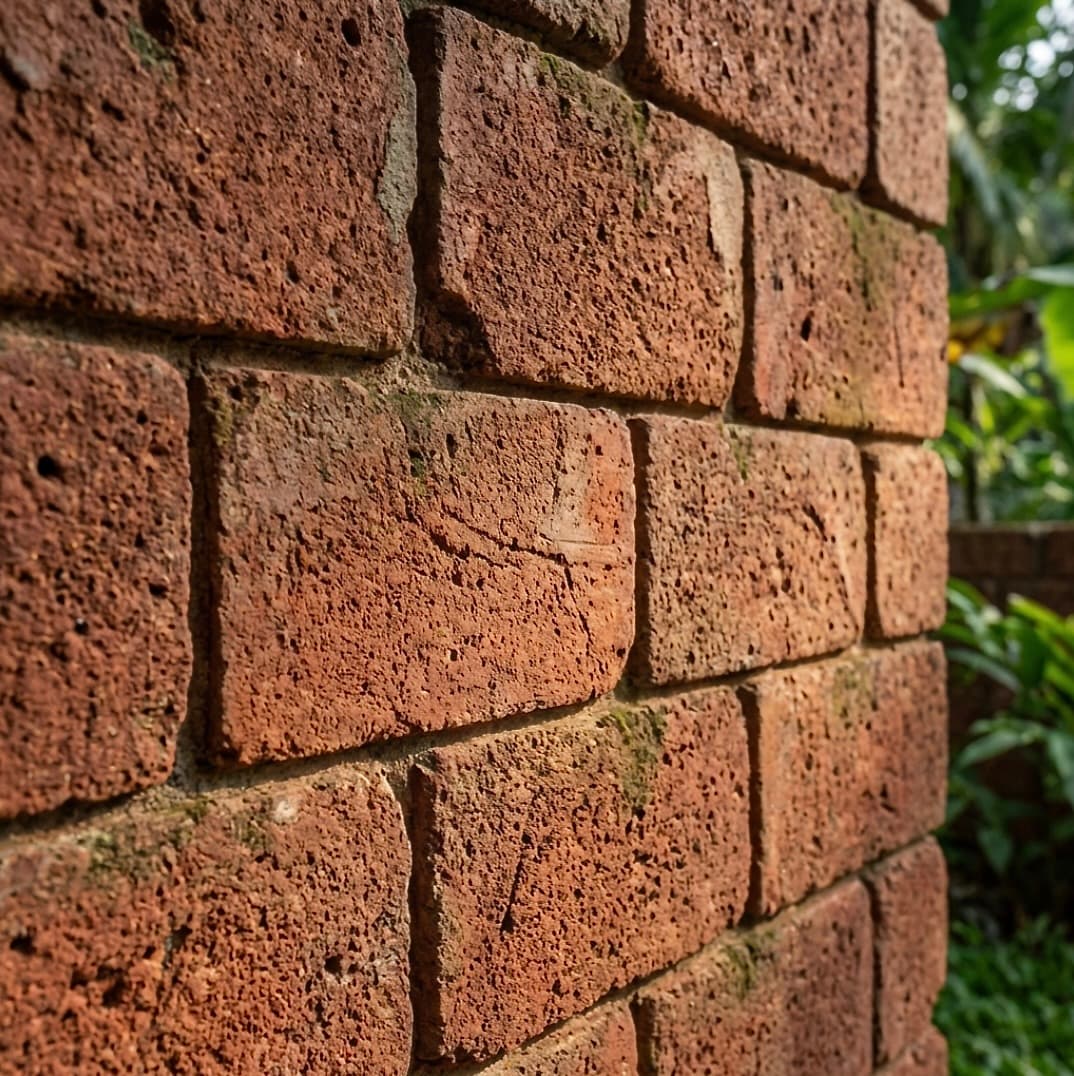
Laterite is not just “red soil”. It is a naturally occurring material rich in iron and aluminum. When cut from the earth, it is soft and workable. Once exposed to air, it hardens over time, becoming dense and durable. No kilns. No heavy processing. No industrial energy Just extraction, shaping, and time. Its performance is what makes it remarkable: ● It hardens with age, rather than deteriorating ● It creates a thermal lag, absorbing heat slowly and releasing it gradually ● It keeps interiors cooler during the day, especially in hot humid climates ● It is resistant to termites and decay ● It is low carbon by default, requiring no firing or manufacturing ● It is fully recyclable, returning to the earth at the end of its life This is not theoretical. It has already been tested for centuries.
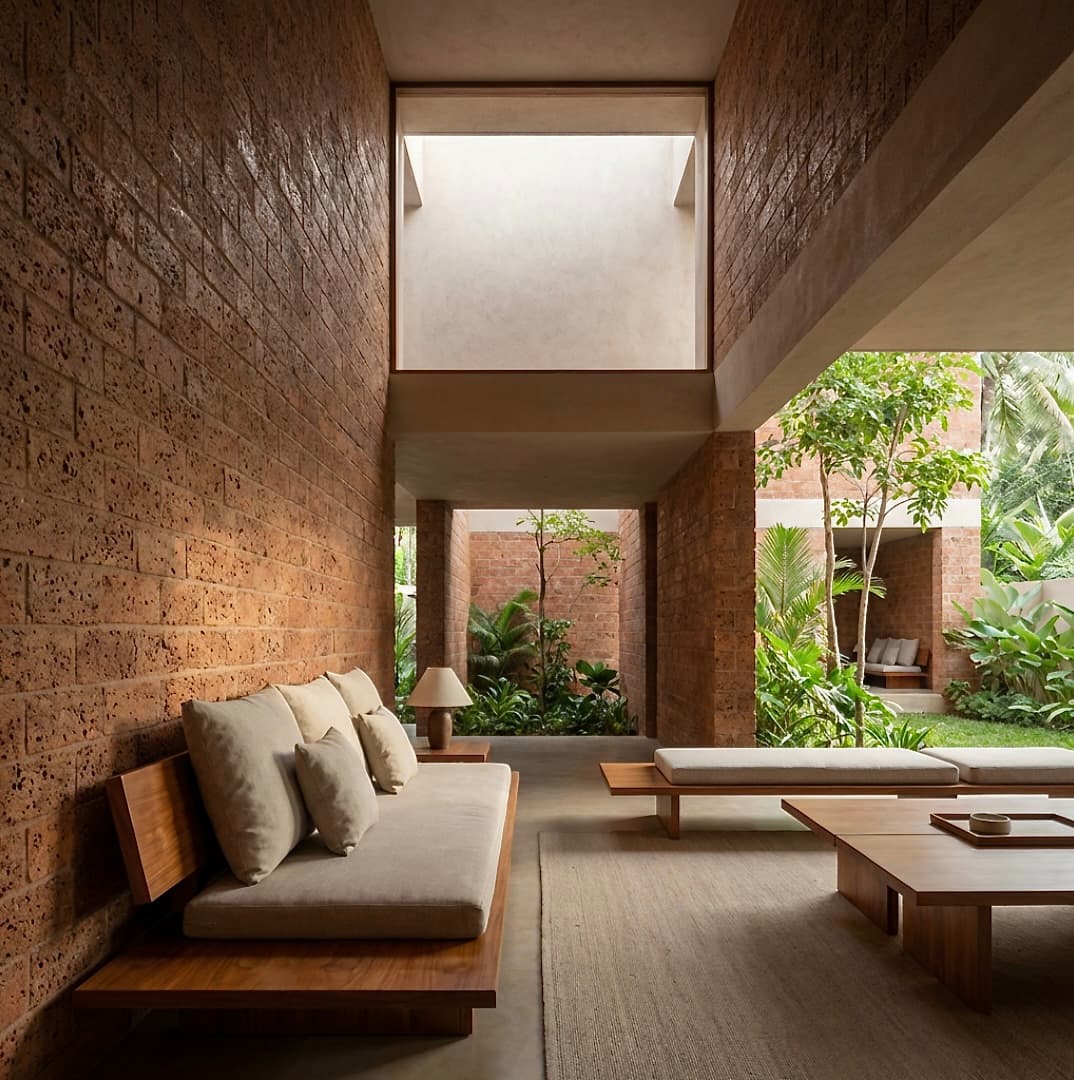
The Nigerian Reality
In Nigeria, we use laterite extensively. But almost exclusively for road construction and filling. We dig it. We move it. We compact it. And then we import cement, blocks, and finishes to build the actual structure. There is a disconnect here. We are surrounded by a material that is: ● climate responsive ● locally available ● culturally neutral yet adaptable Yet it is largely absent from contemporary architecture.
A Missed Opportunity
There is also an economic layer to this. On-ground insights suggest that exporting laterite could be highly profitable. Think about that for a moment. A material abundant enough to line our roads is valuable enough elsewhere to be considered export-worthy. This is not just a design conversation. It is a material economy conversation.
Why It Matters Now
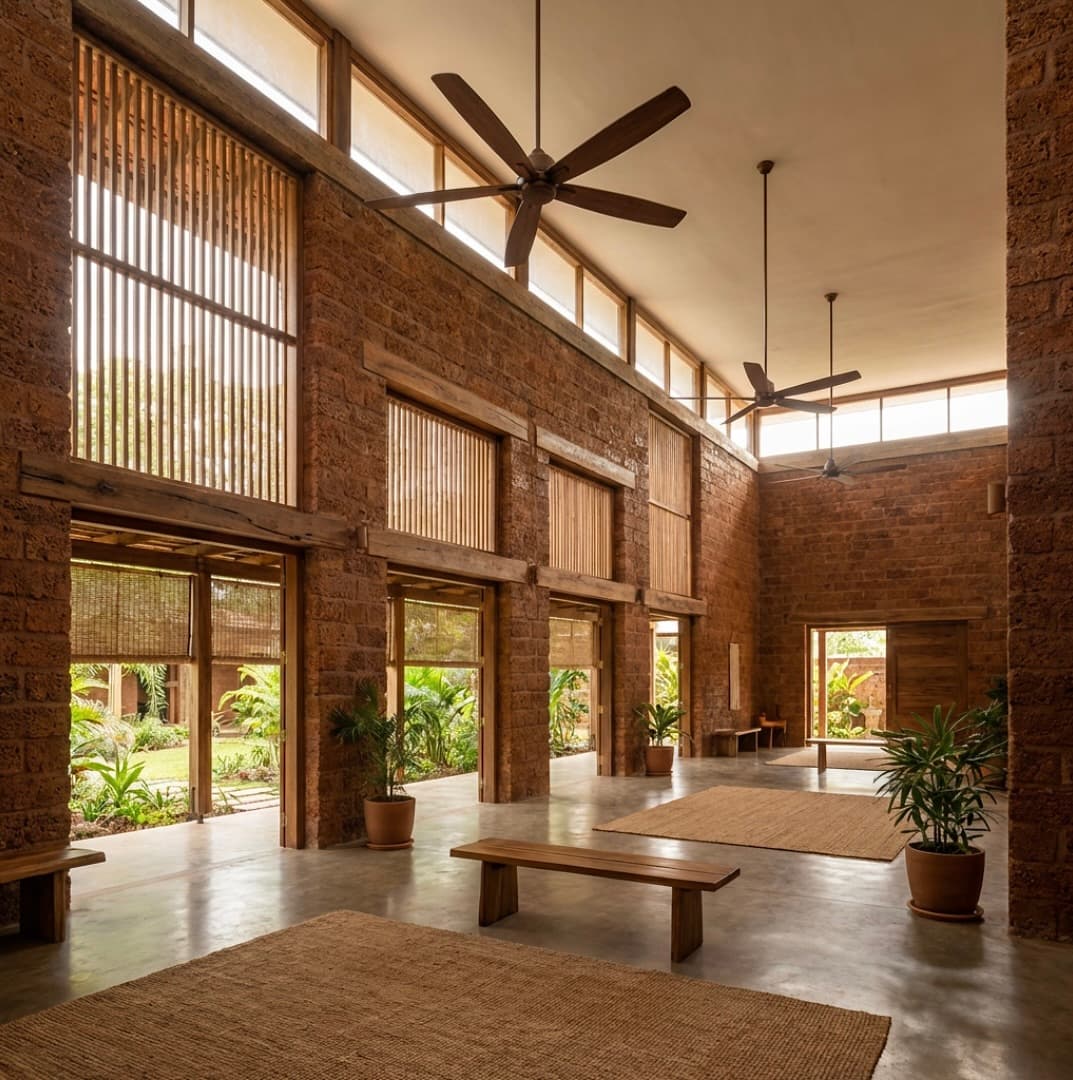
Nigeria is at a point where housing, cost, and climate are all intersecting. We cannot continue to rely solely on imported systems and materials that: ● increase construction costs ● trap heat within buildings ● disconnect architecture from its environment Laterite offers a different direction. Not as nostalgia. Not as a return to the past. But as a forward-looking material that aligns with: ● climate responsive design ● local production ● long term durability ● reduced environmental impact
What This Could Become
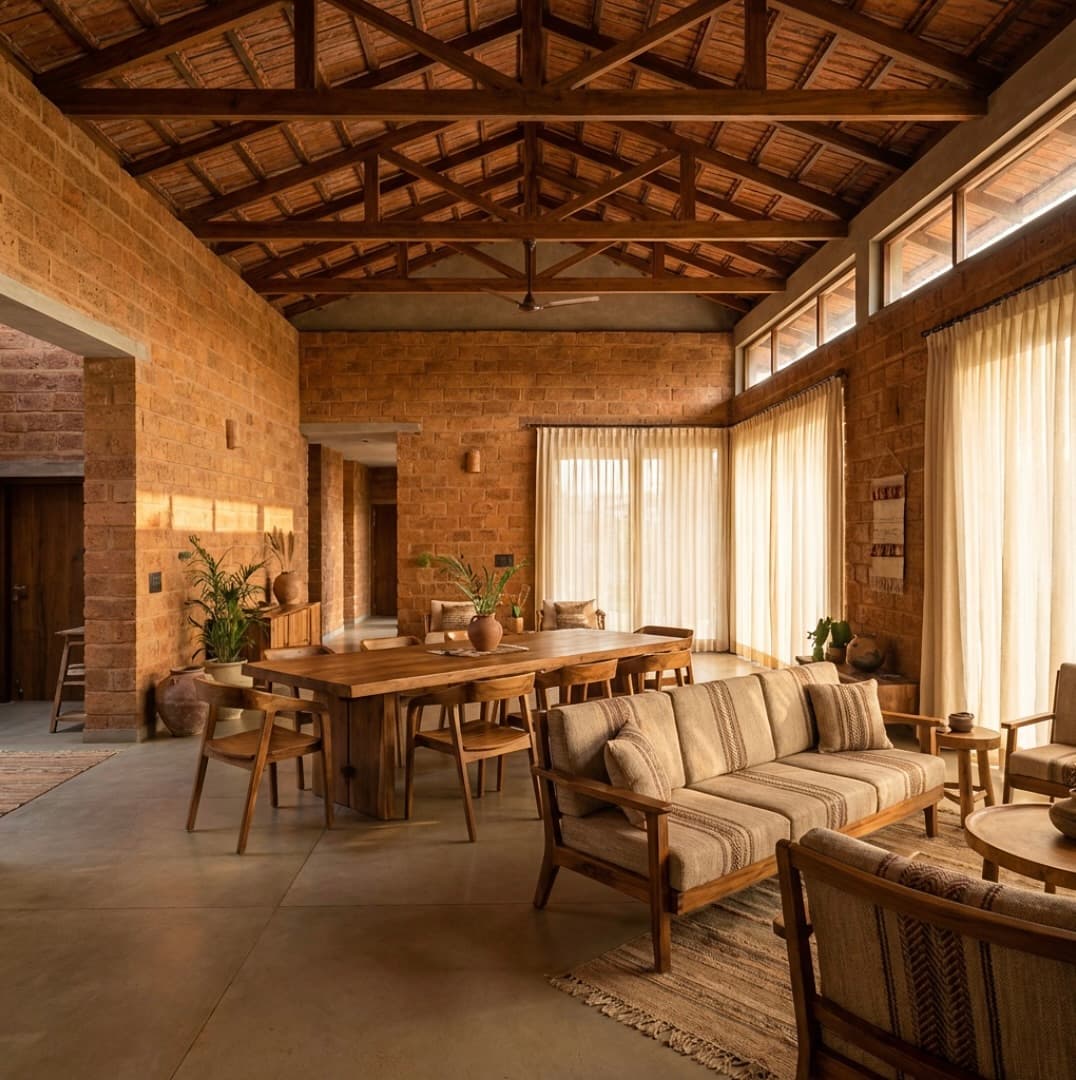
Laterite does not have to look “traditional”. The Kerala examples show something important: The material can be used in refined, contemporary ways. Thick walls. Clean lines. Open courtyards. Carefully detailed openings. It is not the material that limits design. It is how we choose to use it.
"Indigenous materials are not a compromise. They are the design. If you are exploring ways to build more climate responsive, grounded, and intentional spaces, we would be glad to explore it with you."
Studio COKA . Journal
Continue Reading
More Perspectives
Architecture
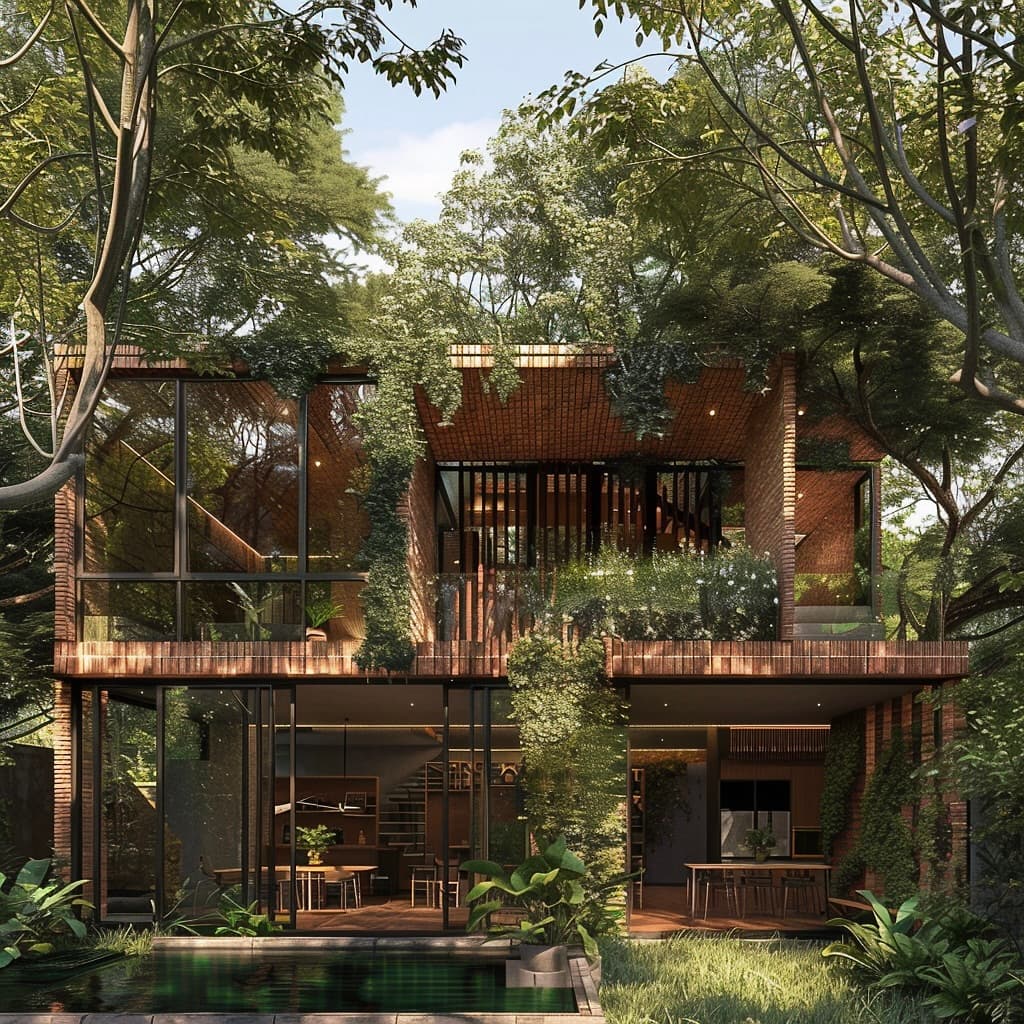
Rethinking the Tropical Home: Beyond Walls and Air Conditioning
What if the home worked with the climate instead of against it? Exploring the principles behind the Garden Home project.
Design
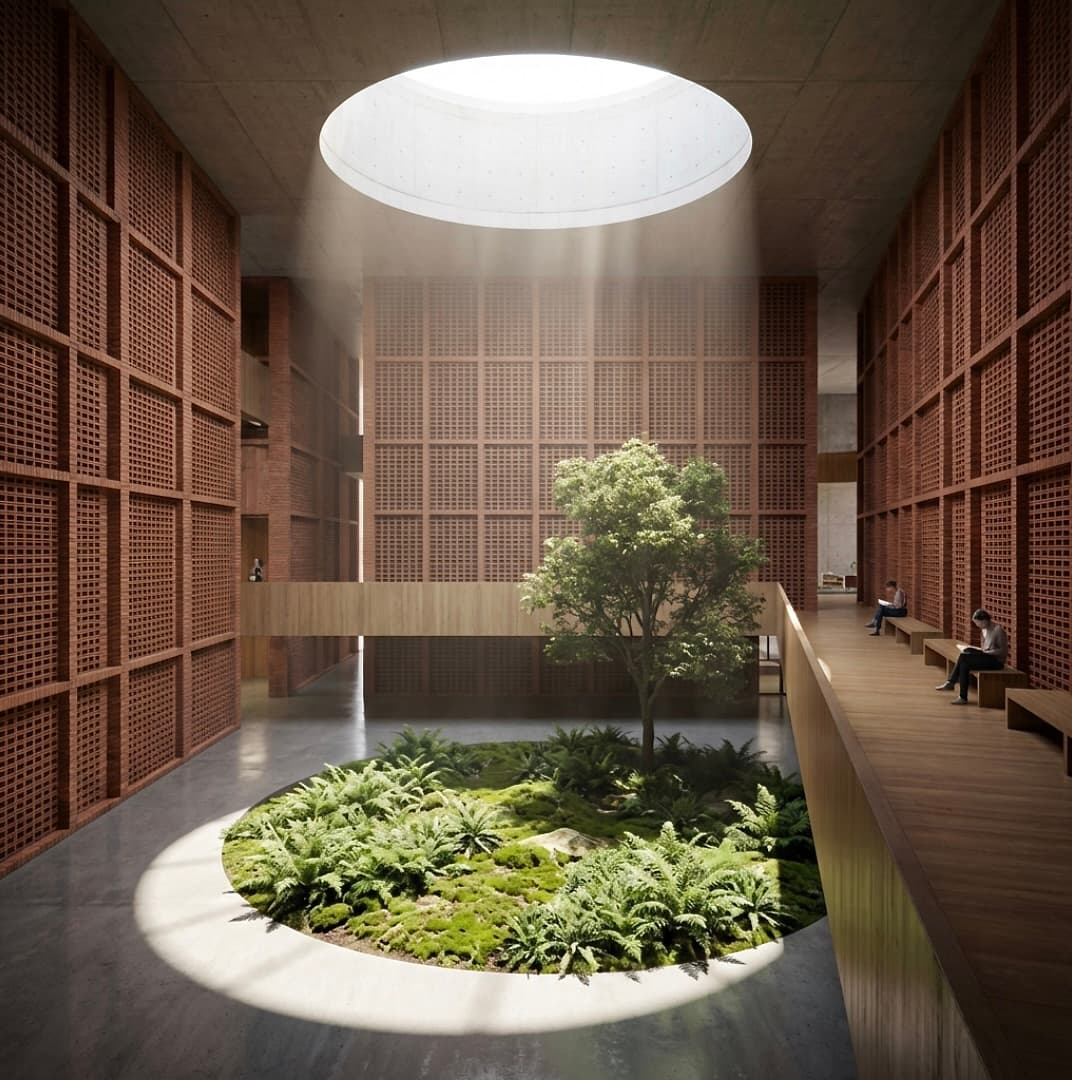
6 Ways We Design with Natural Light
How light shapes the way you experience your home. From direct light to framing moments, here is how we work with illumination.