"Rethinking the Tropical Home: Beyond Walls and Air Conditioning"
In many tropical cities today, homes are designed as sealed environments. Air is conditioned. Light is controlled. Nature is kept outside. The result is often a subtle disconnection. Spaces work, but they do not feel good to live in. They do not make people enjoy being at home over time. The Garden Home project begins with a different premise: What if the home worked with the climate instead of against it?
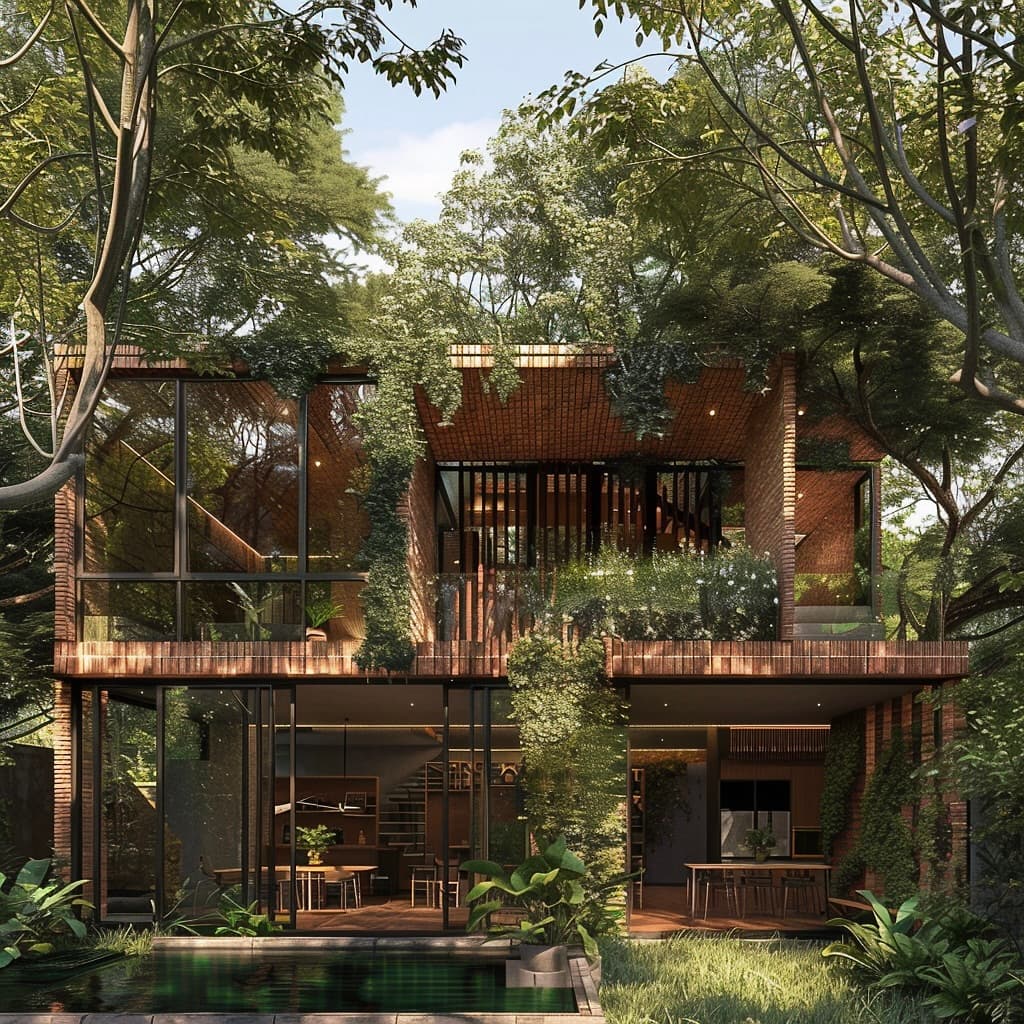
Designing Homes That Feel Different
"For us, designing a home is not just about layout or finishes. It is about how the space feels to live in, from morning to night.Natural light plays a central role in that experience. When used intentionally, it can make a home feel calmer, brighter, and more connected to its surroundings"
Designing for Air, Not Just Space
Air is treated as a primary design material. Openings are positioned across opposing facades, allowing wind to move freely through the home. Double height spaces support vertical airflow, drawing warm air upward and out. This reduces reliance on mechanical cooling while improving comfort in a way that feels natural rather than controlled.
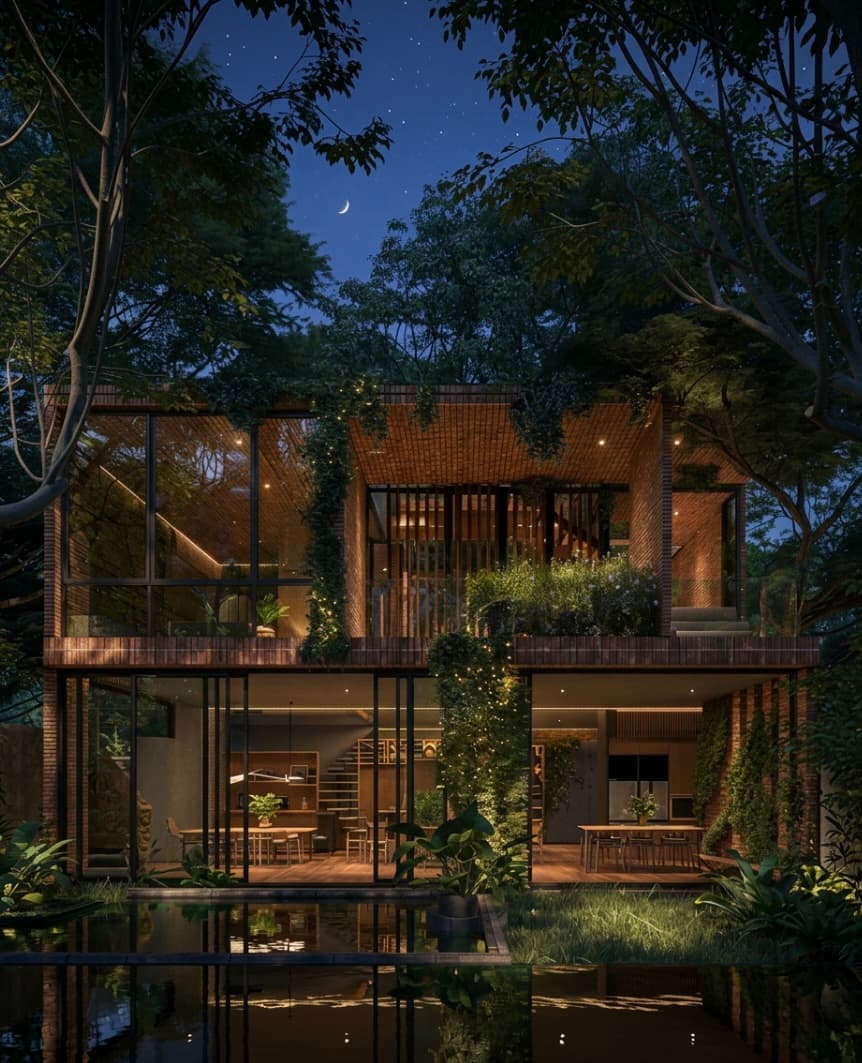
Light as a Filtered Experience
In tropical climates, light is abundant, but not always comfortable. Instead of limiting light, the design filters it. Deep overhangs, screens, and vegetation soften direct sun, allowing spaces to remain bright without overheating. The result is a quieter, more balanced interior environment.
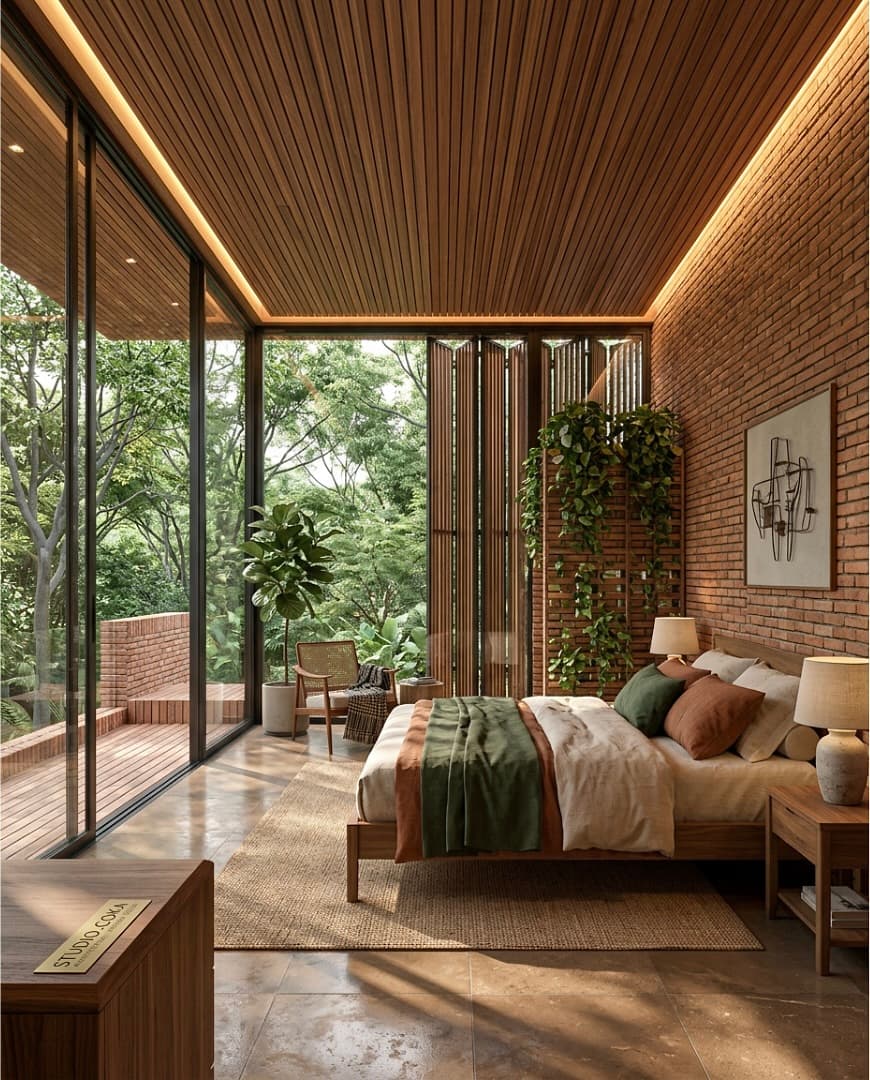
Nature as a Continuous System
Rather than being placed around the home, greenery is integrated into it. Planting occurs at multiple levels, ground, terrace, and vertical surfaces, creating continuity between built and natural elements. This approach transforms nature from a visual feature into an active part of how the home is experienced.
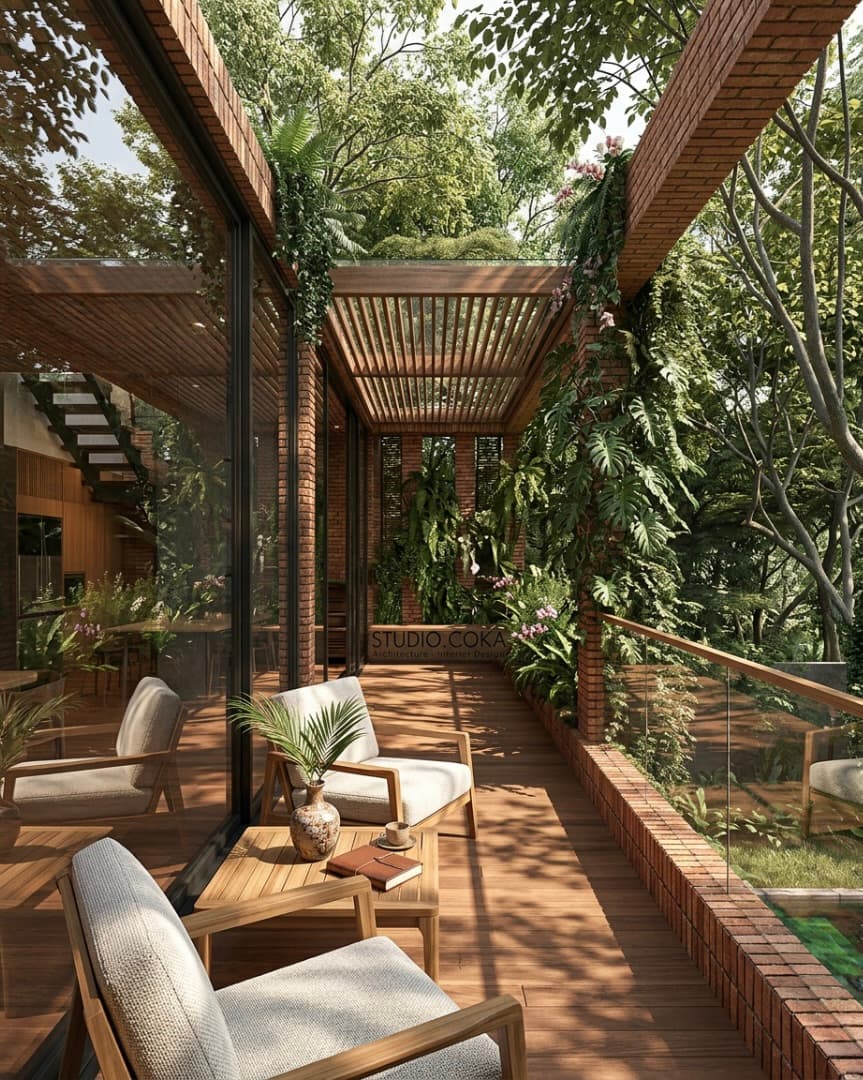
Rethinking Natural Materials
Natural materials are often associated with small scale or temporary construction. This project challenges that assumption by demonstrating their use in a two storey structure, expressed honestly and applied with precision. The intention is not only aesthetic, but also systemic: to encourage local production, reduce dependency on imported systems, and build with what is readily available.
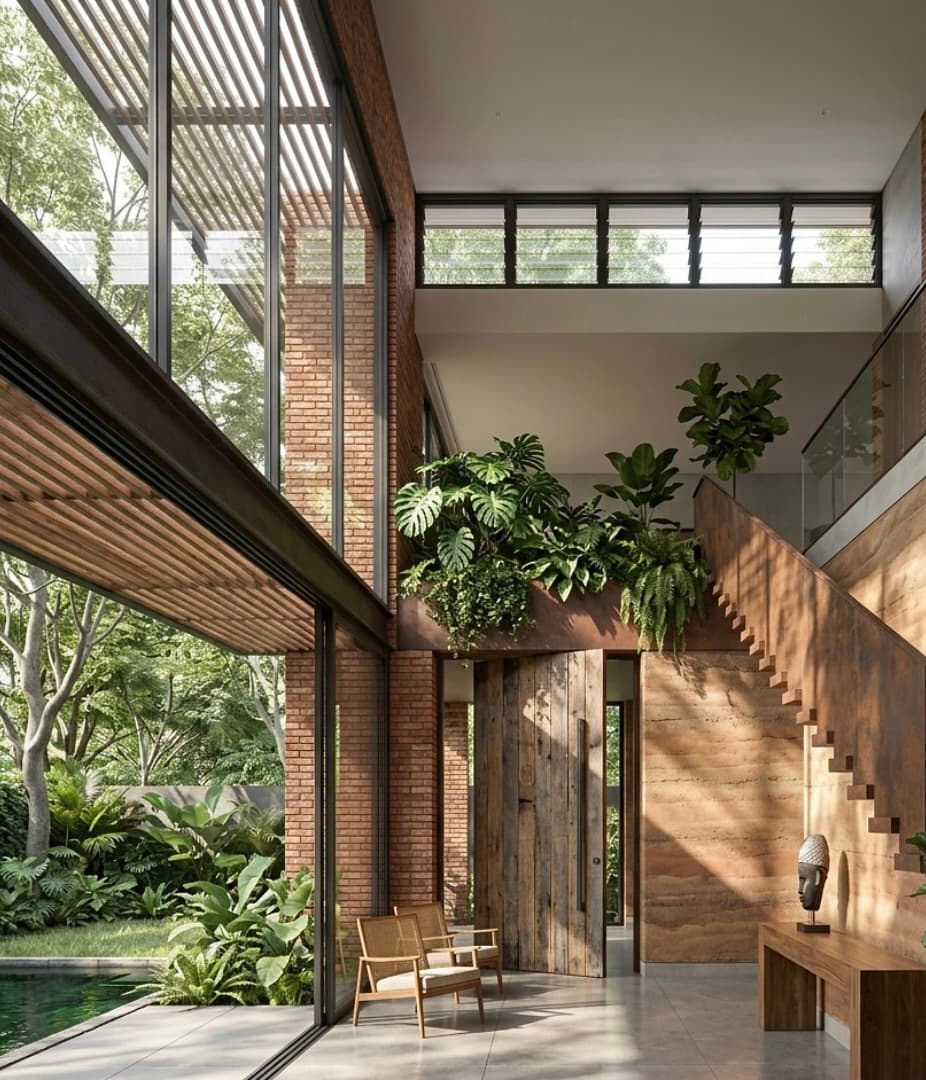
Designing with Shade
Shade becomes a key architectural tool. Overhangs, balconies, and transitional spaces reduce direct solar exposure before it reaches the interior. These layers act as buffers, improving thermal comfort without adding complexity.
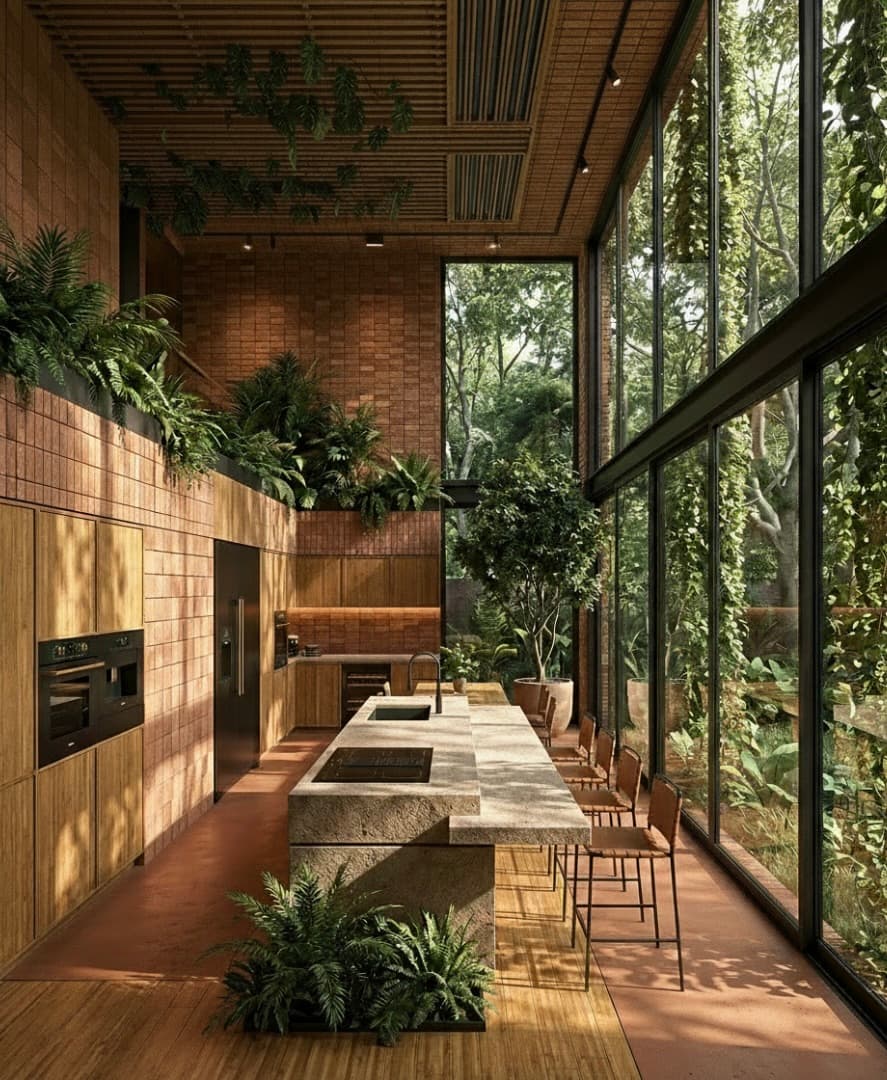
Removing the Threshold
The boundary between inside and outside is softened. Full height openings allow spaces to extend outward into terraces and gardens. Movement becomes fluid, and the perception of space expands beyond the built envelope.
"Design with light. Not just walls. If you are planning a home and want it to feel considered from the very beginning, we would be glad to explore it with you."
Studio COKA . Journal
Continue Reading
More Perspectives
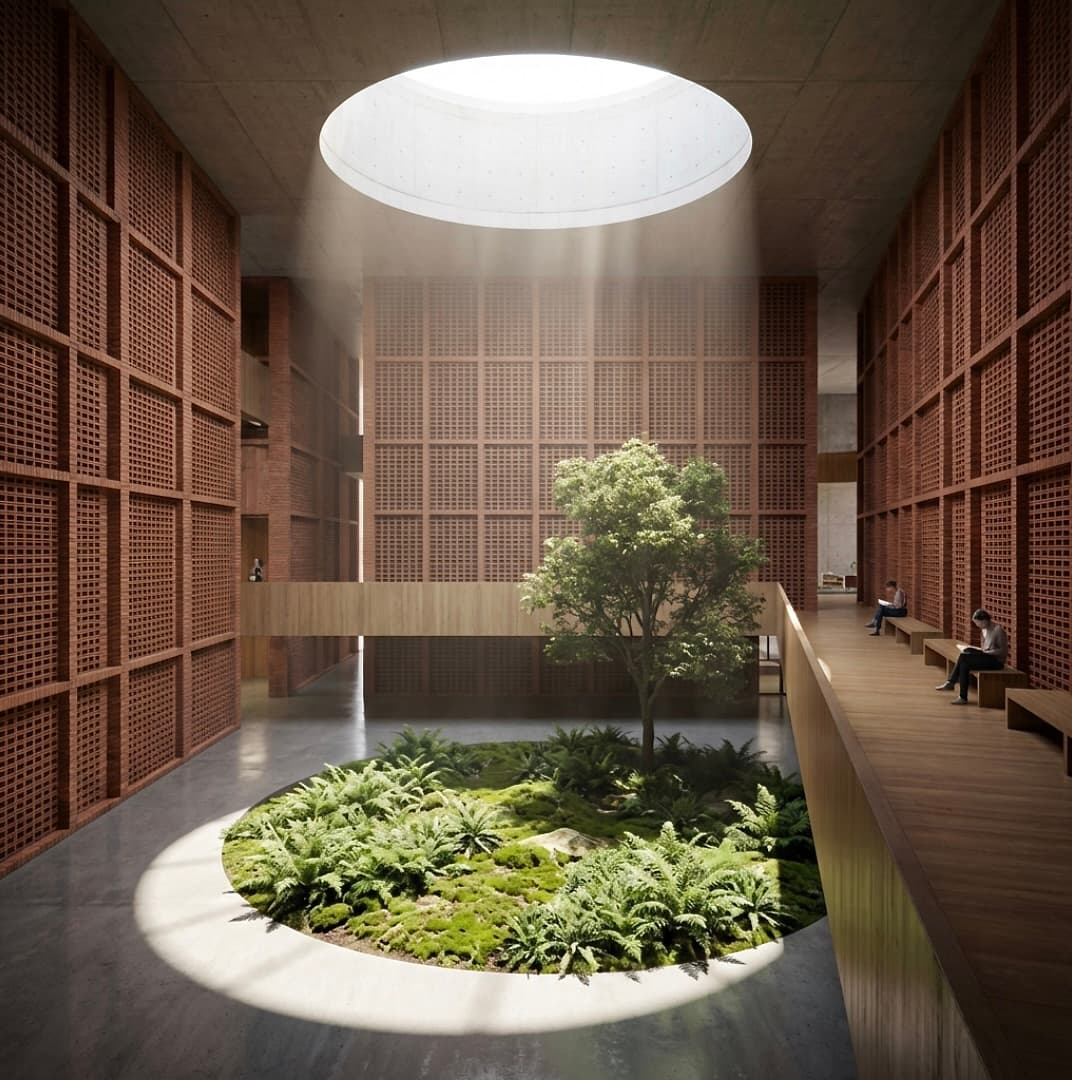
Design
6 Ways We Design with Natural Light
How light shapes the way you experience your home. From direct light to framing moments, here is how we work with illumination.
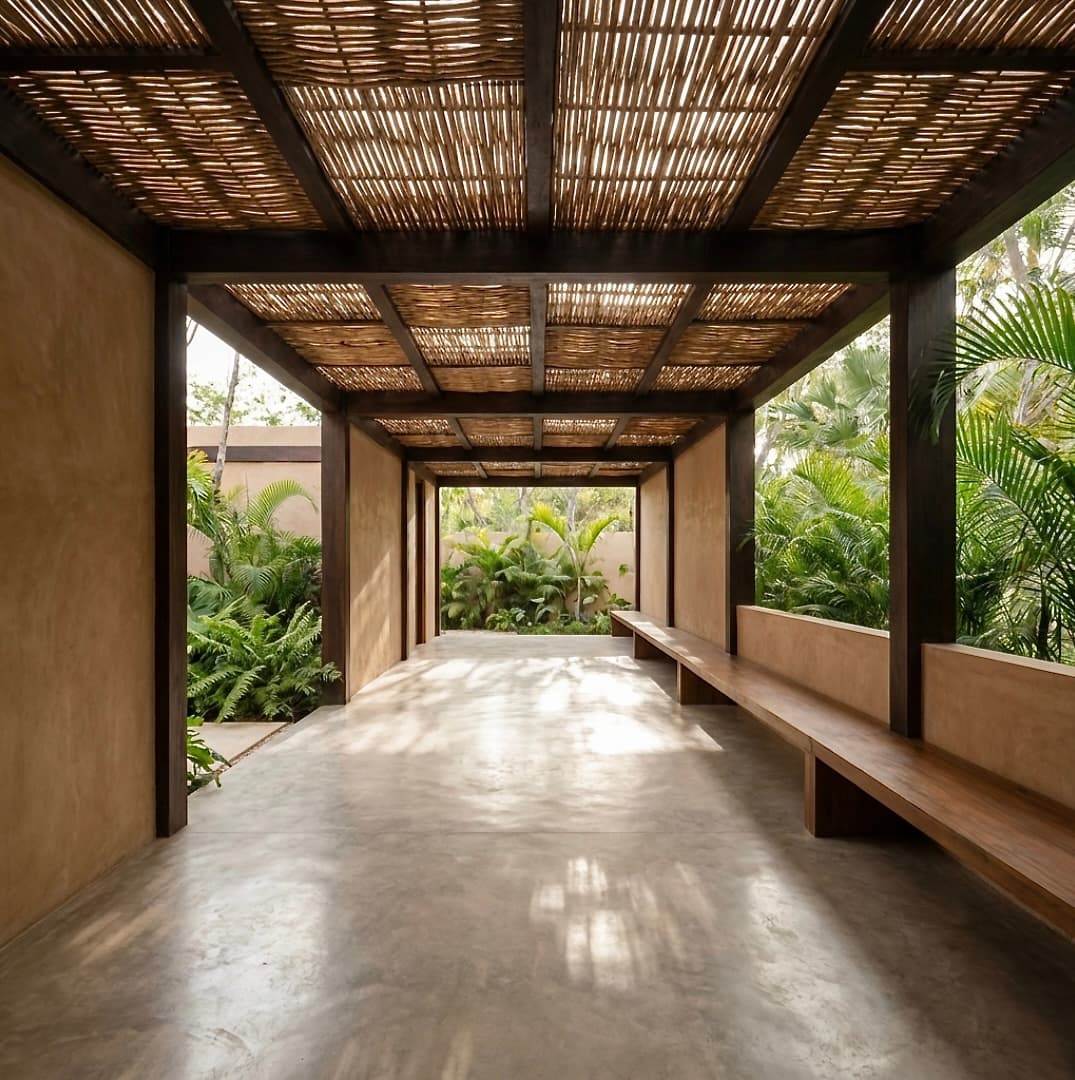
Tropical Design
7 Ceiling Materials We Use for Homes in Hot Climates
Locally sourced and designed to cool. A look at the materials we use to make ceilings move heat and light effectively.